


6th CanTest International School
 Overview
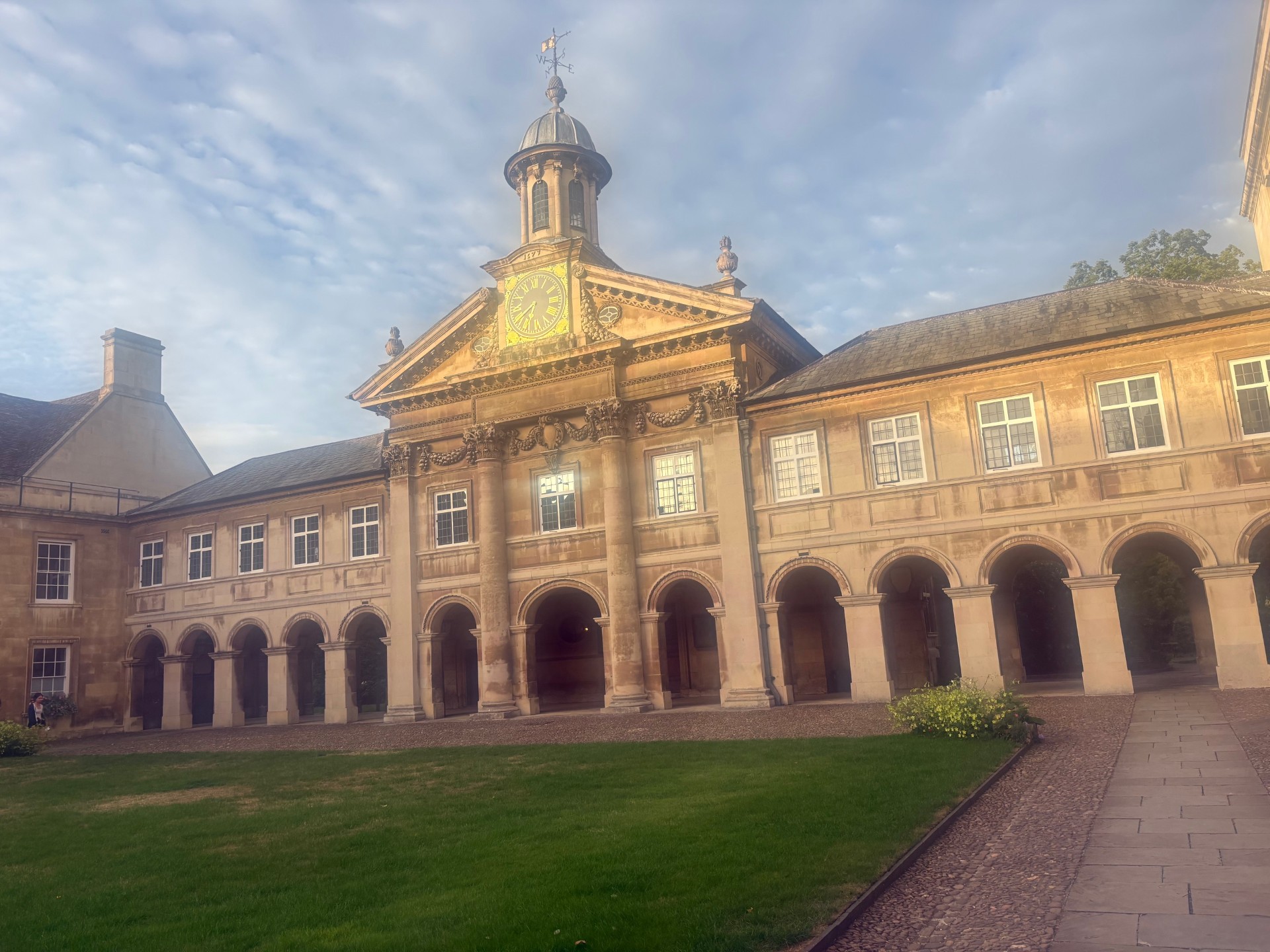
Hosted by Queen Mary University of London and funded by Cancer Research UK, the 6th CanTest International School for Cancer Detection Research in Primary Care brought delegates together at Emmanuel College, Cambridge. The intensive 5-day residential programme delivered core quantitative and qualitative research masterclasses, technology evaluations, and career development sessions tailored for early-career primary care researchers.
Cohort Profile & Backgrounds
The attendee group represented a diverse international cohort of clinical academics and non-clinical health researchers:
-
Clinical Academics: General practitioners, medical doctors, and clinical research fellows focused on early diagnostic pathways, symptom evaluation, and clinical risk tools.
-
Non-Clinical Researchers: Epidemiologists, biostatisticians, health economists, behavioural scientists, and qualitative researchers working on electronic health records (e.g., CPRD), AI diagnostic tools, and public/patient involvement (PPIE).
Key Outcomes & Participant Feedback
Evaluation data showed substantial growth in researcher confidence, study design capability, and international collaboration networks across the week.
Participant Perspectives
On Methodological Learning & Confidence:
“The school provided invaluable clarity across diagnostic study design, health economics, and big data, giving me the confidence needed for my future fellowship and grant applications.”
On Career Progression & Mentorship:
“The transparent panel discussions on academic resilience, along with 1-on-1 mentoring sessions, provided practical, real-world advice on navigating an academic career.”
Week at a Glance
-
Top Evaluation Scores: Outstanding ratings across session clarity, relevance, and organization for masterclasses in Test Accuracy, Qualitative Methods, Big Data, and Stakeholder Engagement (PPIE).
-
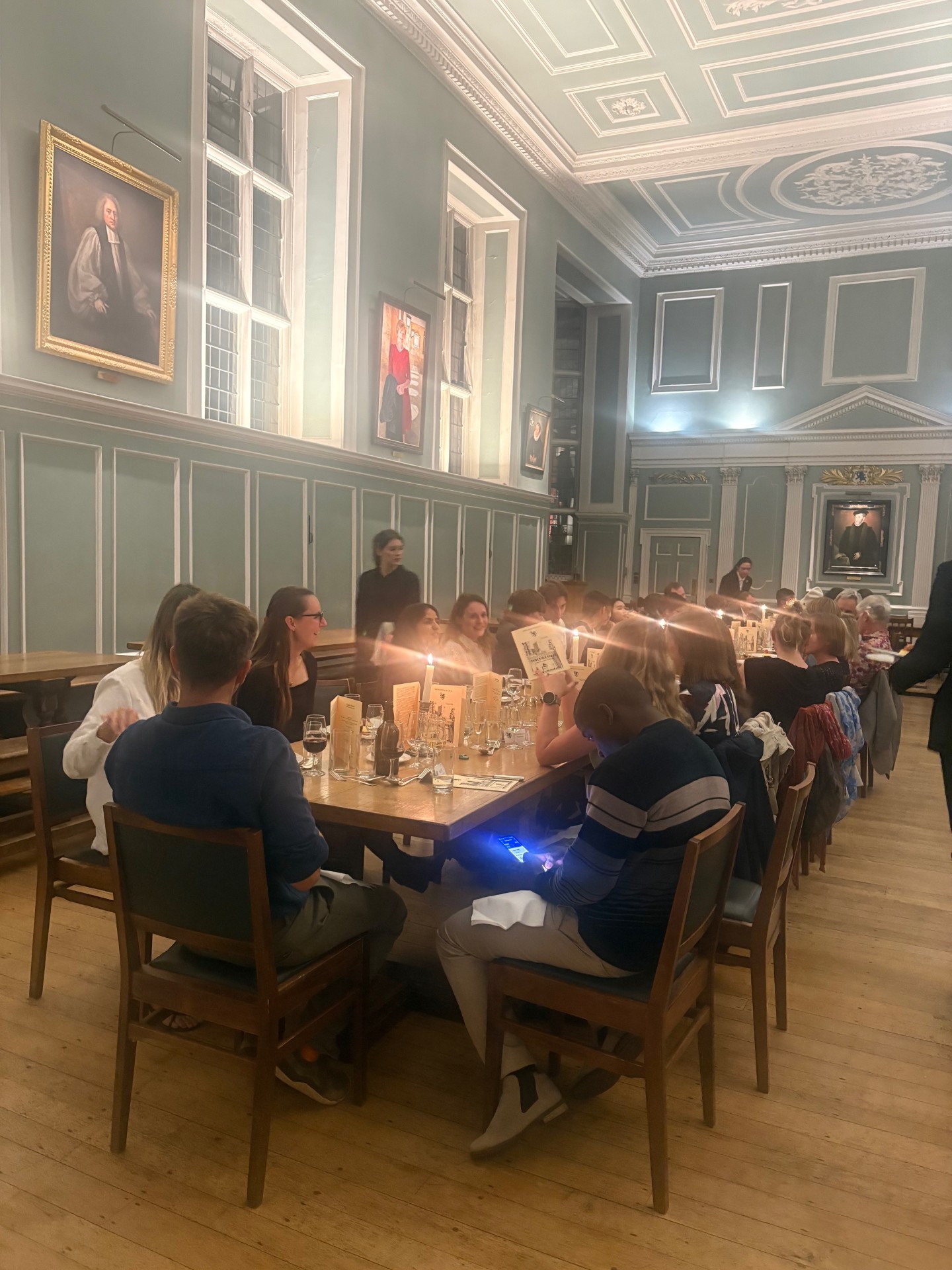
Mentorship & Social Activities: Structured “Book an Expert” consultations, shared college dining, and the traditional punting trip along the River Cam helped build informal peer connections and long-term research partnerships.